

Edgelands – The Floods by Joseph Wright
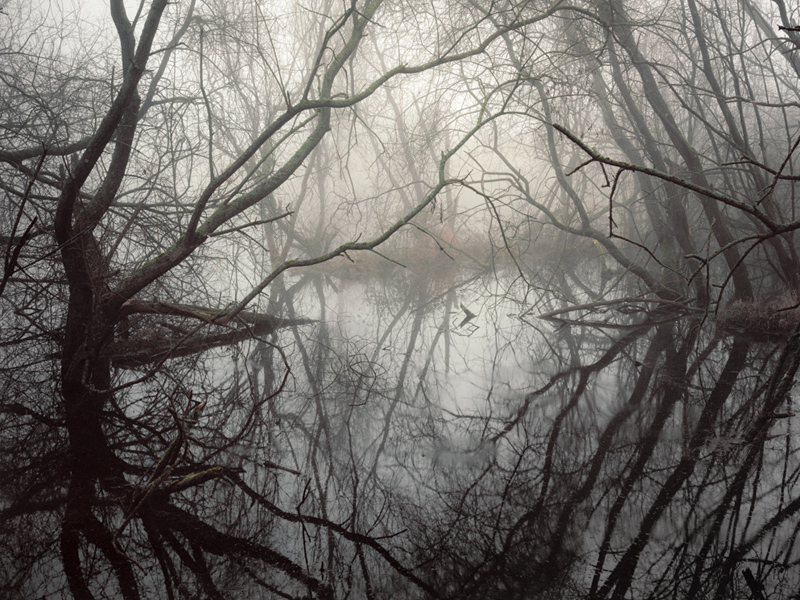
Every now and then a photo book comes along which is a bit different, a bit special. Today was one of those days. I received my copy of Joseph Wrights 'Edgelands - The Floods'.
The book is different in several ways. Yes, the images are beautiful, but not in a classic landscape photography way. Joe has chosen o venture into those areas that surround the places we live, the edges and margins of our towns, cities and villages, which most of us tend to ignore or dismiss as ugly, unkempt. The abandoned scrublands, the borderlands or neglect. Some were once used, now left to their own devices. Others are places which have never quite fitted the needs of developers, being the wrong shape, in the wrong place, too wet or perhaps difficult to build on. Nature has no such qualms about these places. Nature quietly gets on with colonising them, plants growing, animals living quiet lives while we rush by.
How to Travel Light With Your Fuji Camera Gear
Airlines seem to be making it increasingly difficult for us to travel with our camera gear these days, especially on budget flights. Most of us want to keep our precious cameras and lenses with us in our carry-on bags and yet the size permitted for those bags continues to decrease, as does the amount of weight we are allowed to pack into them.
I have been packing today in readiness to co-lead a workshop tour with David Ward to the Hebridean island of Harris and Lewis. The carry on bag size for the flight to Stornorway is a paltry 40cm x 35cm x 18cm, not exceeding 6kg. Imagine packing a bag that size with a pro-DSLR and a set of lenses. Even if they would fit physically, I'm sure they would exceed the weight restriction.
Triplekite Books New Discovery Series
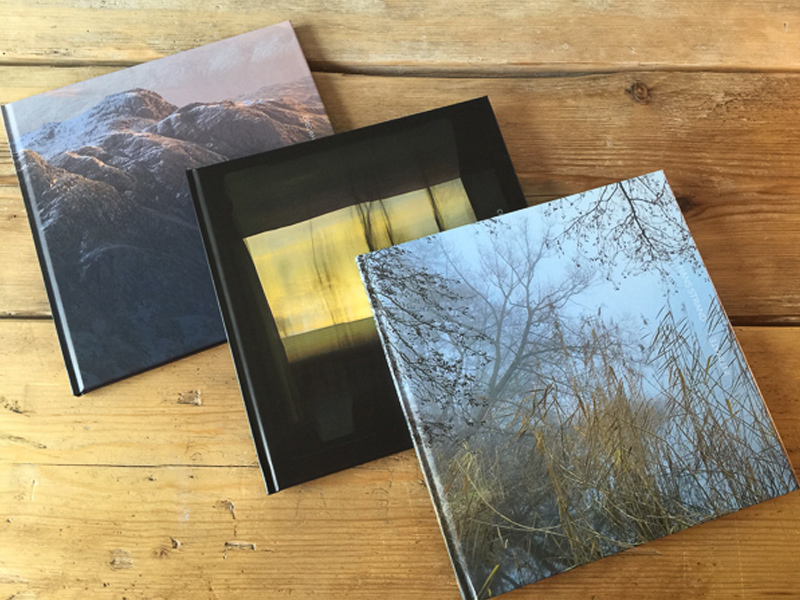
Its always a good day when a photography book is delivered at home. Today, three were delivered, making it a very good day. Triplekite Publishing have been hard at work producing the first three in what is planned to be an ongoing series of books under the ‘Discovery’ series.
The stated aim of this series from Triplekite is to produce a ‘cohesive representation of landscape photography’. The plan is to release three books a year, identical in size (240 x 240mm) and page count (48), each with 25 plates which, despite being smaller than Triplekite’s other photography books, will still be made to the same exacting production standards. The plan is to release a further three or four books in the series in 2016.
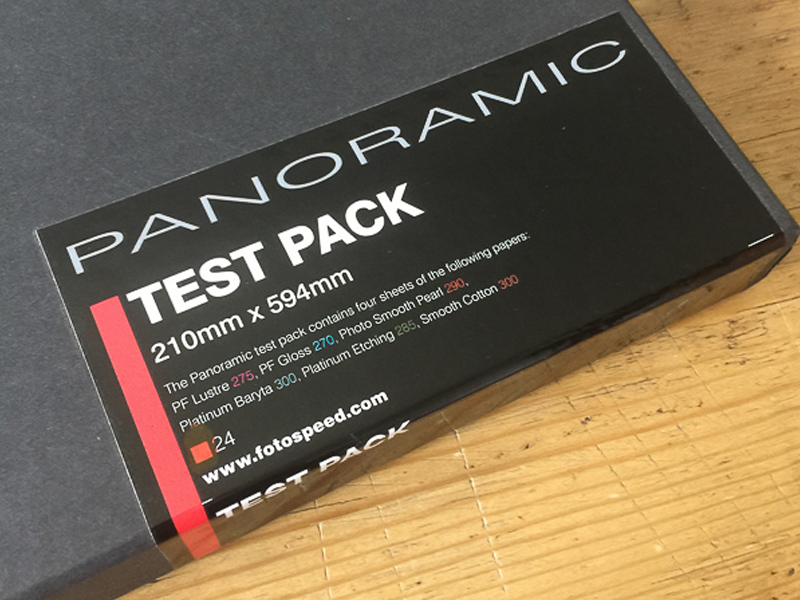
Printing With Fotospeed’s Panoramic Papers & Creating Custom Paper Templates in Lightroom
Fotospeed are the only fine art paper company I am aware of who provide us with custom made panoramic papers. I shoot a lot of panoramas in my work, both combining exposures in software (now a feature of Lightroom CC as well as Photoshop, a welcome development) and by cropping into a single image to a ratio which yields an image with the characteristic panoramic 'letterbox' format. I am not a lover of really wide angle lenses having grown tired of the distortion they produce. I prefer, when I want to show the wide sweep of the landscape, to reveal it in a panorama. (I know wide angle lenses can be used to inject drama into images, but again, I am finding myself moving towards quieter, less dramatic images in my work and so I have sold on my super wide lenses now due to lack of use.
Integrity & Generosity in Photography – Become a ‘Photographic Philanthropist’
It's late. I want to go to bed, but I feel I have to write this blog post. It is based on something that has been niggling at me a lot of late, and then a comment was posted on my Facebook page which finally moved me to write my thoughts down.
I was nominated for one of these 'Facebook Challenges' this week - I don't usually take them up, but in this instance I was asked very nicely by a photographer who I admire a great deal if I minded being nominated and since I had already been nominated by another photographer who I also greatly admire, I guessed it was time to give in. The first post went okay (the 'challenge involves posting an image a day for five days and nominating other photographers each day to do the same).

Adding Copyright Details to Files on Import to Lightroom
In January every year I update the metadata preset in Lightroom which embeds my copyright information into every file I import into my Lightroom catalogue,
This year I thought I would record a brief video to show how it was done, in case you might find it useful. Enjoy!
Hard Proofing Techniques – A Practical Example
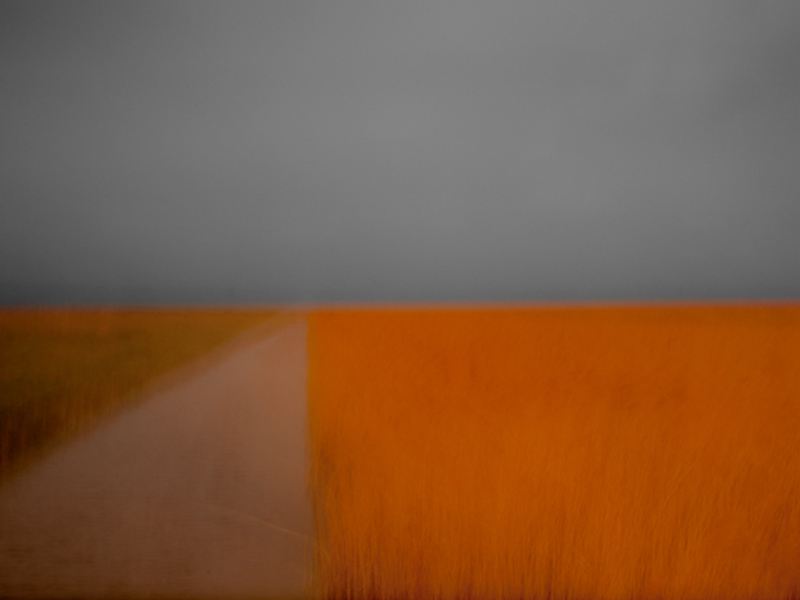
Today I had a client order for one of Chris Friels prints (the image above) to prepare and thought it would make a good subject for a blog post on hard proofing techniques.
Chris's images can be very hard to print. He uses strong colours with low contrast and they look best printed on very matt paper. My paper of choice for most of his work is Fotospeeds superb Platinum Etching - a heavy-weight matt paper with a gentle texture which gives landscapes and many other types of images a beautiful feel and 'presence'. Matt papers do bring with them challenges though. The matt surface reduces the gamut of colours they can display and so it can often take some work to translate what you are seeing on your screen on to the paper, even with a fully colour managed workflow. You can check out Fotospeeds papers on their website HERE - they are a great company to deal with.
Autumn in Snowdonia – Trip Report
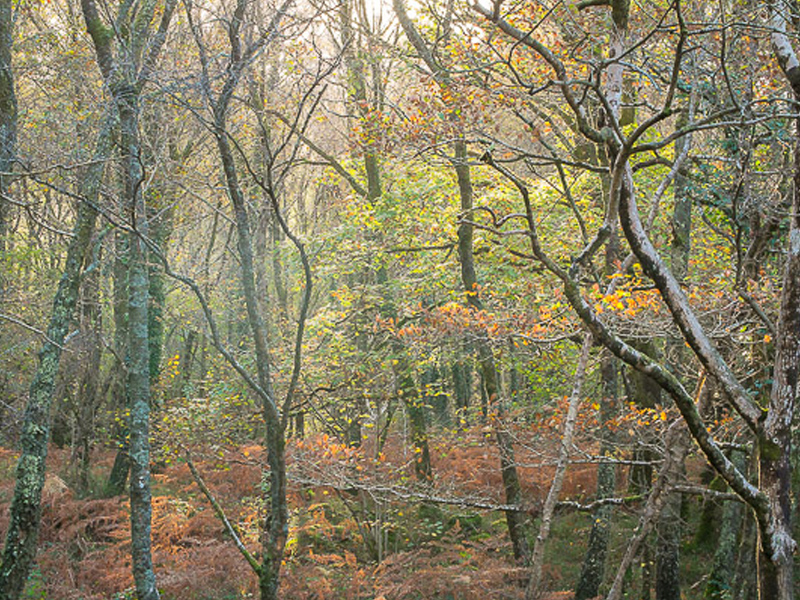
I have just returned from a three day trip to North Wales where I was running a workshop in the Snowdonia National Park. Our base was the fabulous Tan-Y-Foel guest house where we were cared for perfectly by owners Chris & Maria. (If you are planning a trip to Snowdonia I can highly recommend staying at Tan-Y-Foel, the location is breathtaking from its elevated position set away from the road in above a beech forested valley with views to the mountains. The rooms, food and service could not be better and being just outside of Betws-y-Coed it is in the perfect place to explore magnificent Snowdonia - have a look at their website, which will be updated in early 2015 - http://www.tyfhotel.co.uk ) Chris and Maria kindly reserved the whole property for us so we had it to ourselves and this meant we could choose breakfast time to fit with our sunrise shoots - perfection!
Visualisation, Pre-visualisation, Preparation and Pedantics
This post is the result of an interesting and stimulating Twitter debate this week and I felt it needed exploring in more than 140 characters.
The question was raised "do you (or should you) 'pre-visualise' your images of a location before you visit?" or something along those lines. This is a big question and I would just like to tackle it from a number of different perspectives.
What is DACS? and Why you should claim
There is a way for published photographers (and artists, poets and writers) to receive additional income from their work and I thought it might be useful to put a blog post together about it.
In the same way that the Performing Rights Society monitor radio stations, TV broadcasts, public events and music played in public places in order to make sure musicians are compensated when their work us played, there is a similar organisation in place for creatives whose work appears in print.
The Pool by Iain Sarjeant
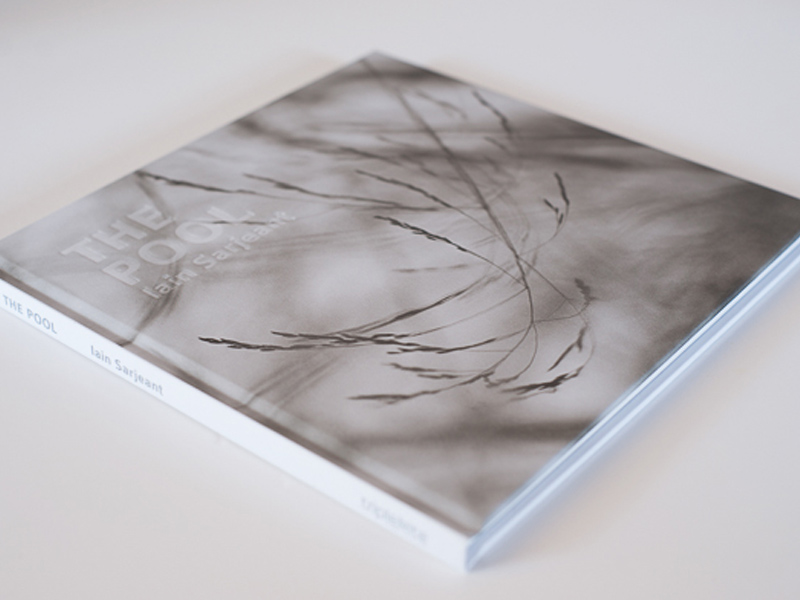
From the first time I heard that Iains series, The Pool, was to be published by Triplekite, I was excited. I have followed Iains work for a few years now and The Pool series has become a favorite of mine.
I first came across the work on Iains website a year or two ago and was instantly entranced by its delicate beauty and simplicity. Iain is a full time professional photographer working out of Strathpeffer in Scotland. His work is often characterised by its keen observational quality. Iain is a man who walks around with his eyes wide open and seems to see things where many do not.
Seaworks 1998-2013 by Paul Kenny
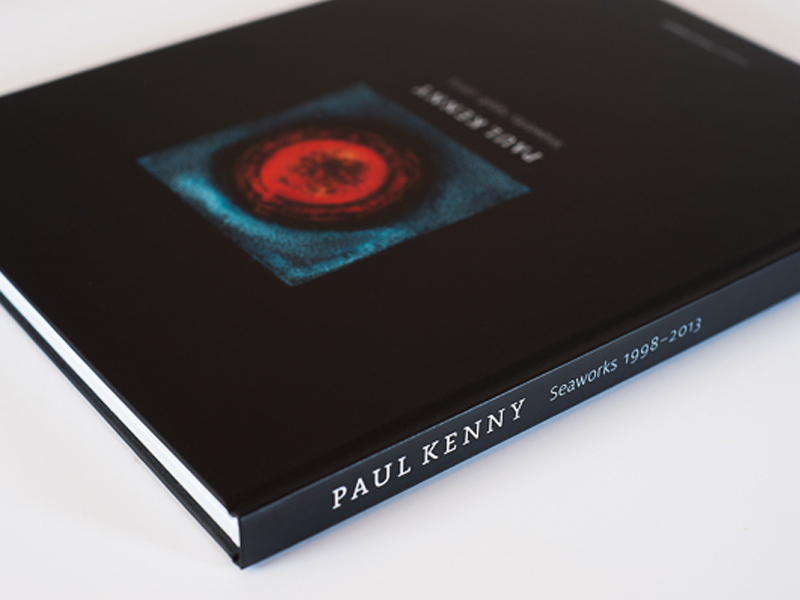
I first became aware of a man, Paul Kenny, several years ago through an article in, I think, Outdoor Photography magazine. I read about a photographer who was visiting, annually, a small stone sheep pen by a beach on the west coast of Scotland. Here he camped for a week or two each year and photographed this sheep pen. The rocks, the lichen, the patterns, shapes and forms. The enclosure had been built no one really knows how many centuries or millennia previously, the rocks used were beautifully round, smooth and encrusted in lichen which grew painfully slowly over generations of mans existence, populating their own spherical worlds, forming continents and islands of life. I had never come across such devotion and application in a photographer before and he really made a deep impression on me.
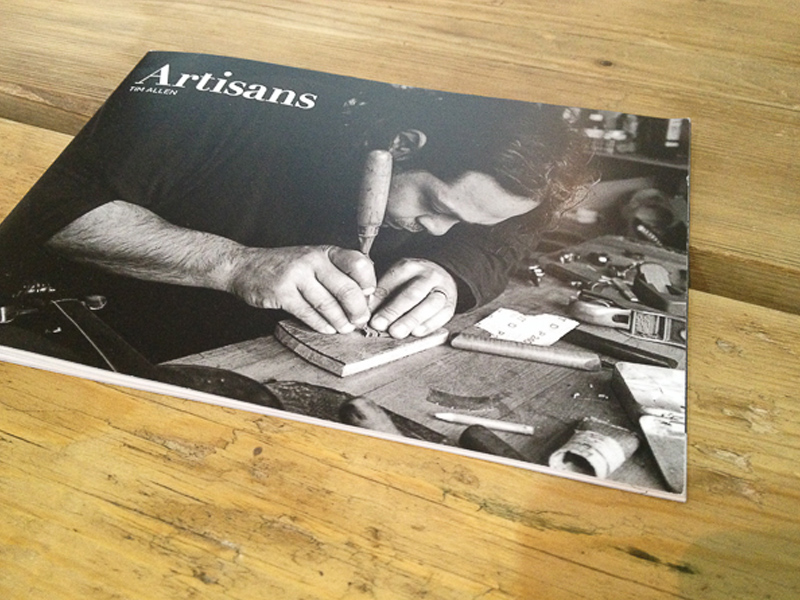
Artisans – A new photo book supporting an excellent cause
I was delighted to receive my copy of a very limited edition photo book this week, 'Artisans' by photographer Tim Allen. This is his second book produced in support of the National Ankylosing Spondylitis Society who do great work for people suffering with that condition. Tim has been putting out teasers on Twitter for some months about the book so it was great to finally get my hands on my copy.
Should I sell my DSLR and buy a Fuji?
I am being asked this question by clients so often now (twice in the last 24 hours, for example), I think it is time to put the answer in a blog, to save me writing endless emails if nothing else :)
So many photographers are hearing the buzz around the Fuji system (and other mirror-less systems. Many of these others are excellent, but I am a Fuji user so will use Fuji as the basis for my answer, but you can substitute the system you are considering just as well). They are seeing the amazing images these cameras produce and looking enviously at the small camera bags and lighter tripods required.
My first experiences with Fotospeed papers & lessons learned about soft proofing
I have long used Ilford Gallerie Gold Fibre Silk as my paper of choice for my monochrome prints and Hahnemuhle 308 Photorag for most of my colour prints. I was happy with the Ilford, but the Hahnemuhle was causing me issues. Despite being a beautiful paper, with a lovely texture, it frequently got jammed in my Epson R2880 printer or picked up roller pinch marks. I also found, despite being air blown before printing, that it would shed fibres after printing, leaving white areas on the image. It is an expensive paper and these frustrations got the better of me.
What Are ‘Rendering Intents’ and How Should I Use Them?
I don't know about you, but I love to print my favourite images. It seems such a shame that so many images today lie unseen on hard drives, when really an image is not fully realised until it is printed. There is just something about holding a well made print in the hand which brings out the full beauty of an image.
For many, though, printing is a bit of a dark art and there is much confusion about ICC profiles, paper profiles, gamuts and such like that can be daunting. One area that seems to cause confusion and is not well understood by many is 'rendering intents'.
Should I Back Up to the Cloud?
Can I start by just apologising for this being such a long post, but I wanted it to cover the subject in depth and, hopefully, answer everyones questions. (and I have added some cloud type pictures, just to keep it interesting).
With the advent of fast broadband internet access the possibility of uploading large amounts of data to ‘The Cloud’ has finally become realistic for many. (If you live in a rural area, struggling with primeval broadband speeds, I feel your pain. I have only had a fibre optic connection for the last 18 months. Prior to that I was with you in the slow lane, so I know how it feels).
“The 16:10 from Carnarfon”
An illness in the family meant a long planned personal trip for Liz, Stan and I to France, exploring the Normandy and Brittany coast had to be shelved at the last minute. Instead we headed to North Wales in the camper van, ready to head home at short notice if needed.
I don't know why, whether it was the fact that our plans had had to change with the disappointment that entailed or whether it was just a case of 'photography fatigue' coming from working as a professional but I found myself not touching the camera for ten days. Despite being in such a beautiful part of the country I didn't make a single image. I had no inclination to whatsoever. I just enjoyed relaxing, walking, and resting. No sunrises, sunsets, nothing, not even an iPhone image.
Review of Triplekites new book – Land | Sea
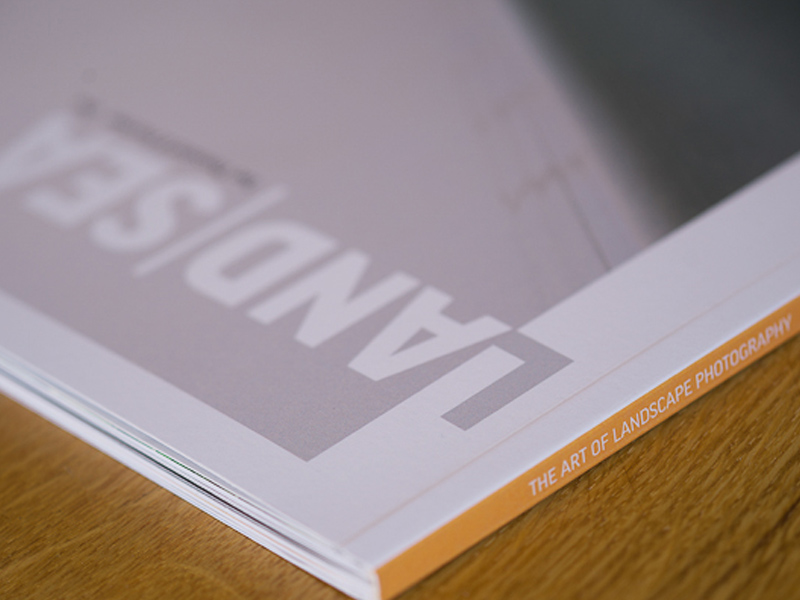
Land | Sea is the new release and the first in a new concept of publication from quality photography book publisher, Triplekite.
The new concept is based around an idea to provide a format which can be published around three times a year allowing portfolios from five photographers to be showcased. Triplekite have set themselves a difficult brief in this as they want to keep the selling price low, at £20, while maintaining their reputation for using very high quality print processes and materials coupled with design which focuses on the beauty of the images.
Creative Photography Webinars with Onlandscape
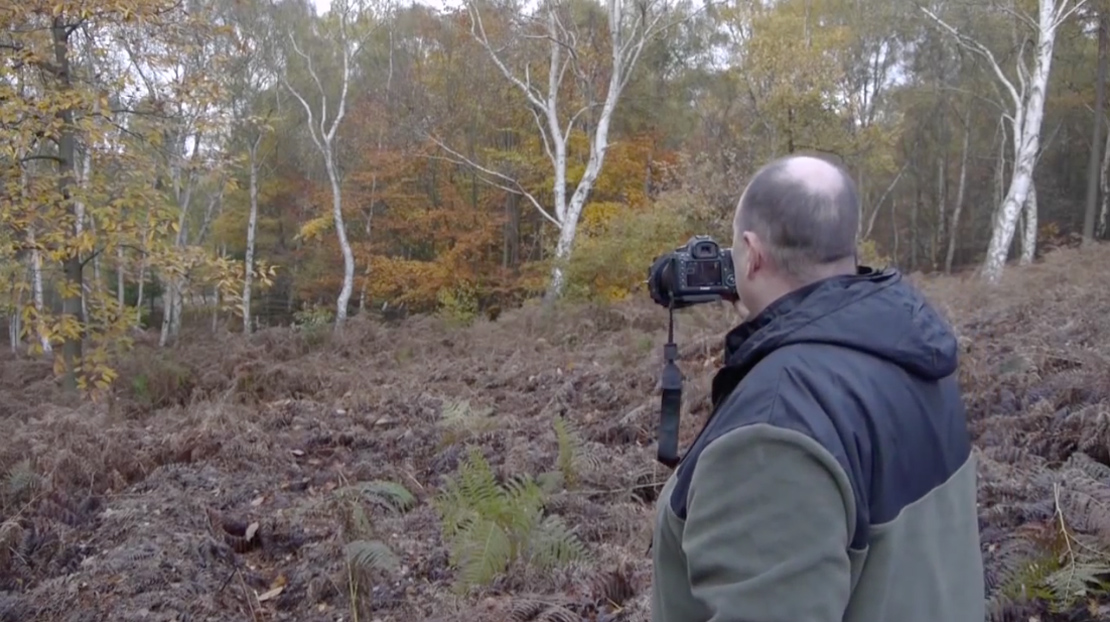
I made three hour long videos for OnLandscape magazine in 2013 and they are now available via YouTube.
I have collected them together here for you to watch (and enjoy?)
The Fuji X-Pro 1 – How did it perform in the Arctic?
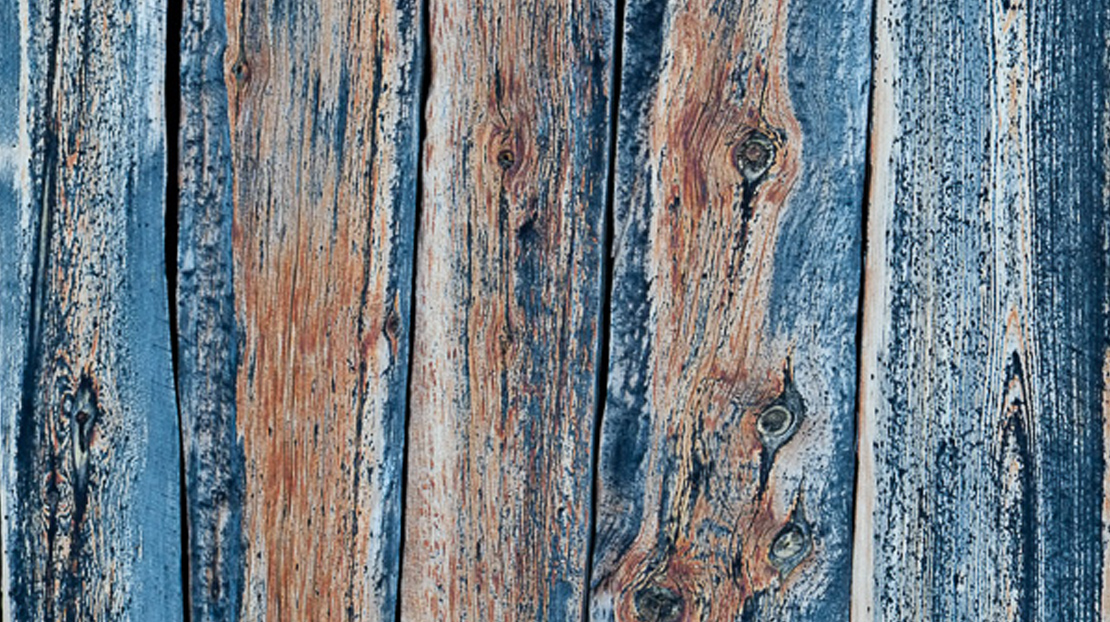
I recently had the chance to take the Fuji X-Pro 1 with me on a workshop I was co-leading up above the arctic circle in the far north of Norway. I thought this would be an ideal opportunity to see how the camera performed in extreme conditions. I also had with me a newly delivered 23mm f1.4 Fuji lens to try out too. The images in this article were all made on the trip and all but the aurora shot are jpegs straight or virtually straight from the camera. If you followed my trip reports from the expedition you will have seen most of these images before (sorry!), but the aurora image with the 23mm lens is new, as are one or two of the others.
Aurora Hunting in Norway, Trip Report – Our Final Day
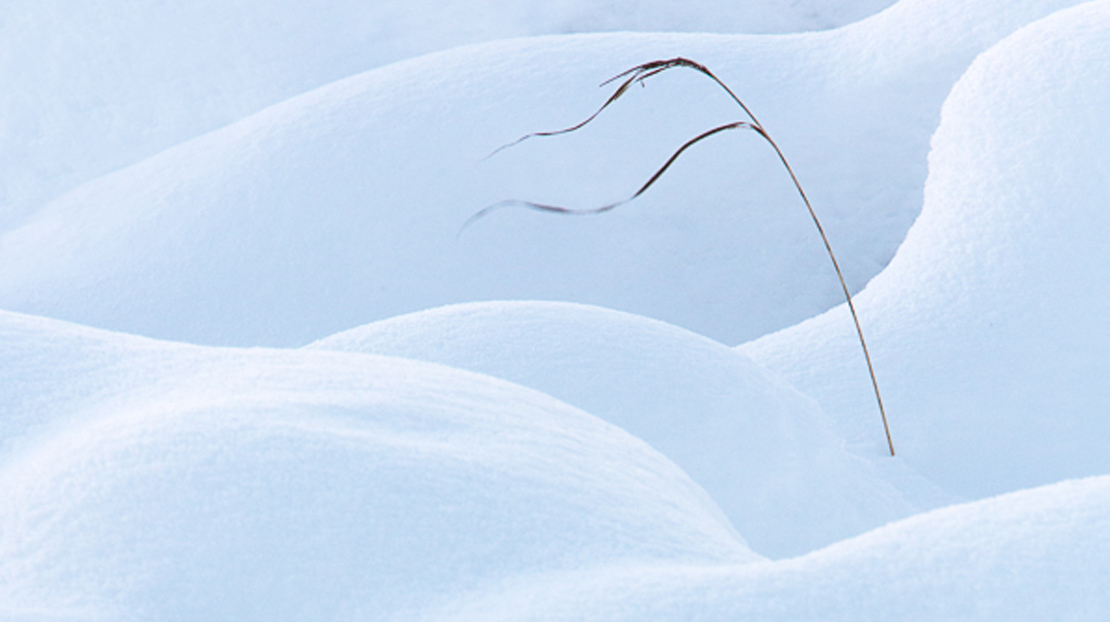
Our last day is almost over. It seems unlikely we will be out tonight aurora hunting as our final overnight destination, the town of Narvik back in Norway, is blanketed in thick cloud and it is raining (a novelty after all the snow. The temperature is dropping though so more snow is expected).
Aurora Hunting in Norway, Trip Report – Day Six
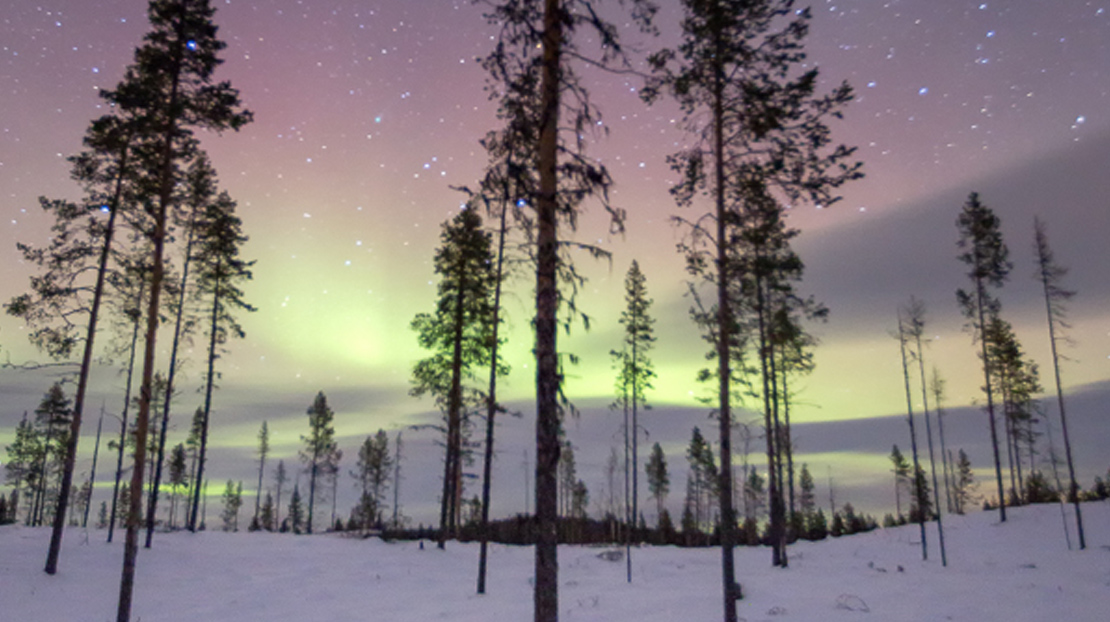
Finally, after six days of trying, we have seen the aurora.
The relief amongst the group was palpable. Everyone is so happy to have achieved our main goal on this trip.
This is the first time I have seen the aurora and I have to be honest, the display we saw tonight is about as low as the aurora gets.
Aurora Hunting in Norway – Trip Report, Day Five
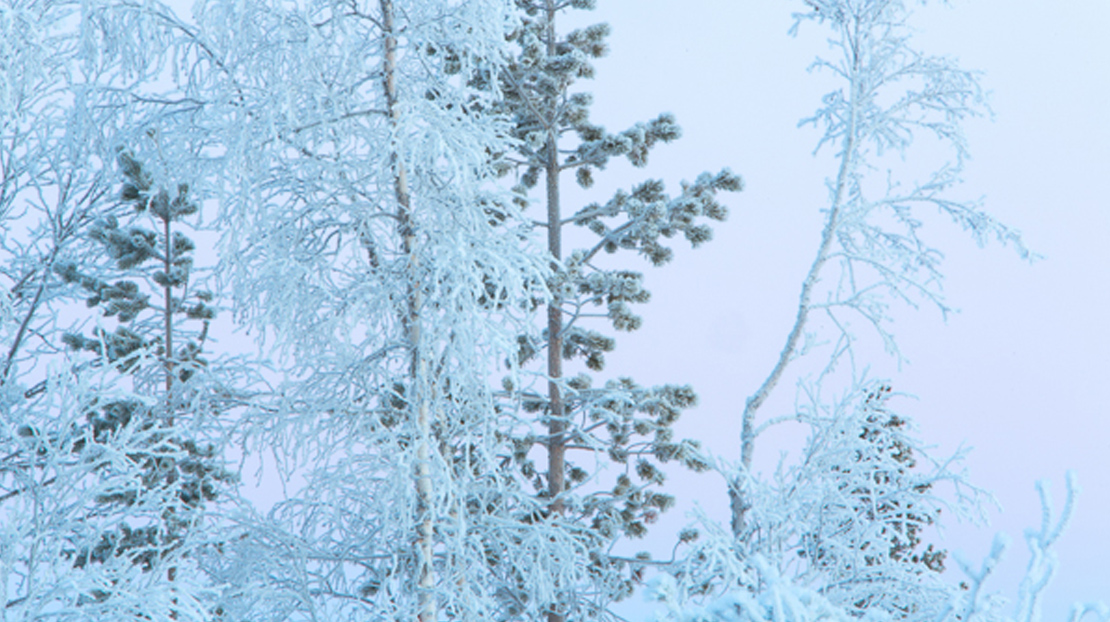
Another night passes and still no aurora. The tension is now building amongst the group. You can feel the anxiety each evening as we gather over our evening meal to look at the technical data relating to the auroral activity in the atmosphere. Yesterday in the late afternoon the activity suddenly spiked and we thought we would get our first glimpse.